SonicWall customers under threat as attackers exploit 2 zero
Vulnerabilities mentionedAll →
| CVE | Vulnerability | CVSS | EPSS | Flags | Affected | Exposure | Published |
|---|---|---|---|---|---|---|---|
| CVE-2026-15409 +1 in the same advisory: …15410 | Unauthenticated SSRF in SonicWall SMA1000 Appliances CVE-2026-15409 is a server-side request forgery (SSRF, CWE-918) in the Appliance Work Place interface of SonicWall SMA1000 series appliances. A remote, unauthenticated attacker can trigger the flaw over the network, causing the appliance to issue requests to attacker-influenced or unintended internal locations. Because the CVSS vector scores scope-changed impacts on confidentiality, integrity, and availability, the SSRF is assessed as capable of reaching sensitive internal services, and reporting indicates it is being used alongside a second SMA1000 zero-day in what may be an exploitation chain. Affected organizations are those running SMA1000 appliances, including SMA 6210, SMA 7210, and SMA 8200v models, which typically act as internet-facing remote-access/VPN gateways. Exploitation is confirmed in the wild: the flaw was added to CISA's KEV on 2026-07-14, ransomware use is known, and EPSS assigns an 83.7% probability of exploitation within 30 days, though no public PoC is available. Do: Apply SonicWall's SMA1000 firmware update per the vendor's instructions immediately, prioritizing appliances with the Appliance Work Place interface reachable from the internet. Because the flaw is in CISA's KEV with known ransomware use and may be chained with a second SMA1000 zero-day, hunt for signs of compromise (unexpected outbound or internal requests, anomalous VPN sessions, follow-on ransomware activity) and restrict internet exposure of the interface in the interim. Federal and critical-infrastructure operators must comply with CISA BOD 26-04, including cloud-service guidance, or discontinue use if mitigations are unavailable. | 10.0 group max | 85% | KEV ransomware |
| largeon the order of tens of thousands of internet-exposed appliances (estimate) |
Full article818 words · extracted from cyberscoop.com · click to collapse
Get our latest cybersecurity news first on Google.
Researchers said the vulnerabilities, which attackers are chaining together, were first exploited three weeks before the vendor disclosed and patched the defects.
Listen to this article
0:00
Learn more.
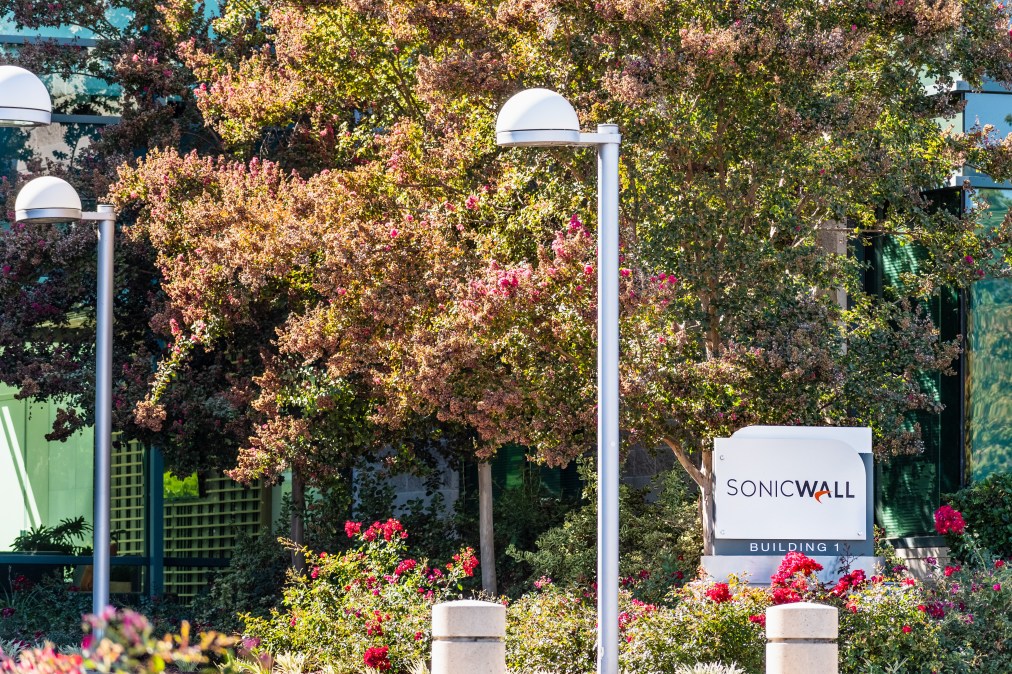
SonicWall customers are attempting to dodge another security challenge as attackers are exploiting a pair of zero-day vulnerabilities that have been confirmed by the vendor.
The company publicly disclosed the vulnerabilities — CVE-2026-15409 and CVE-2026-15410 — in a security advisory Tuesday. SonicWall credited an employee with discovering the defects, but it hasn’t said when the discovery occurred or the earliest known instance of exploitation.
Rapid7 researchers told CyberScoop both vulnerabilities were first exploited June 22. “From the cases that our team has observed, the goal is likely ransomware, though we have prevented the actors from achieving exfiltration and encryption,” said Seth Lazarus, senior manager of detection and response services at Rapid7.
Overlapping tactics, techniques and procedures from the attacks observed by Rapid7 indicate the same threat group or attacker discovered and exploited the zero-days, Lazarus added.
SonicWall did not answer questions about the impacts of these attacks thus far, and the company hasn’t attributed the attacks to a known group or described the attacker’s origins and motivations.
The vendor did, however, confirm to CyberScoop that both vulnerabilities have been chained together for exploitation. The vulnerabilities affecting SonicWall SMA1000 appliances, including a max-severity defect that allows attackers to make authenticated requests and a 7.2-rated vulnerability that allows authenticated command injection.
“When these two are chained, an attacker can go from zero access to a complete system compromise for the affected appliance,” said Landon Rice, senior exploit developer at VulnCheck.
Ben Harris, founder and CEO at watchTowr, said two characteristics of the vulnerabilities fuel a sense of dread. “Both were exploited as zero-days before fixes were available, and together they offer a plausible path to remote-code execution from the internet,” he said.
The Cybersecurity and Infrastructure Security Agency added both zero-days to its known exploited vulnerabilities catalog Tuesday.
SonicWall encouraged customers to patch the vulnerabilities by upgrading to the latest software version, which it released upon disclosure, and shared some indicators of compromise to help customers hunt for potential malicious activity on their systems.
“Speed of response was a priority for us,” said Bret Fitzgerald, senior director of global communications at SonicWall. “Within days of becoming aware of the issue, our team had developed a script that we can run on behalf of affected customers to assist with resolution, and mitigation efforts are already underway.”
SonicWall and third-party researchers haven’t said how many SonicWall customers are impacted by the exploited vulnerabilities, but the vendor did say it already investigated multiple cases of active exploitation.
Fitzgerald said the company monitors about one million sensors globally and “SMA1000 appliances represent a very small subset of that footprint, less than 5,000 units.”
SonicWall said support staff are also helping customers work through instances of suspicious activity, warning that patching alone is not sufficient.
The vendor and its customers have been hit by a barrage of actively exploited zero-days and previously disclosed defects in SonicWall devices for years. In 2025, an undisclosed state-sponsored threat actor intruded the company’s cloud environment and stole firewall configurations of every SonicWall customer.
Seventeen defects affecting the vendor’s products have been added to CISA’s known exploited vulnerabilities catalog since late 2021. Ten of those defects are known to be used in ransomware campaigns, according to CISA, including a wave of about 40 Akira ransomware attacks between mid-July and early August.
“As always,” Harris said, “when something is confirmed as already exploited in the wild, patching is the bare minimum, and breach should be assumed.”
Latest Podcasts
Government
FBI officials say AI is bolstering adversaries, emphasizing need to focus on cyber basics, patching
Feds accuse China of ‘systematic’ distillation of U.S. AI models
CIA’s Michael Ellis says cyber intelligence is changing how the agency operates
The G7 tells industry to hurry up and prep for post-quantum encryption
Technology
Threats
Policy
Whistleblower says USPS deploying new, ‘untested’ IT systems governing mail-in ballots
‘Watershed 250’ test program in Texas looks to private sector for water cybersecurity help
Former sexual abuse victims say Grok used their images, videos to train deepfake capabilities
Cyber threats nudge Trump to sign executive order on foreign equipment in U.S. energy infrastructure
Text extracted automatically; images, tables and formatting may be missing. Original: https://cyberscoop.com/sonicwall-zero-day-vulnerabilities-exploited/